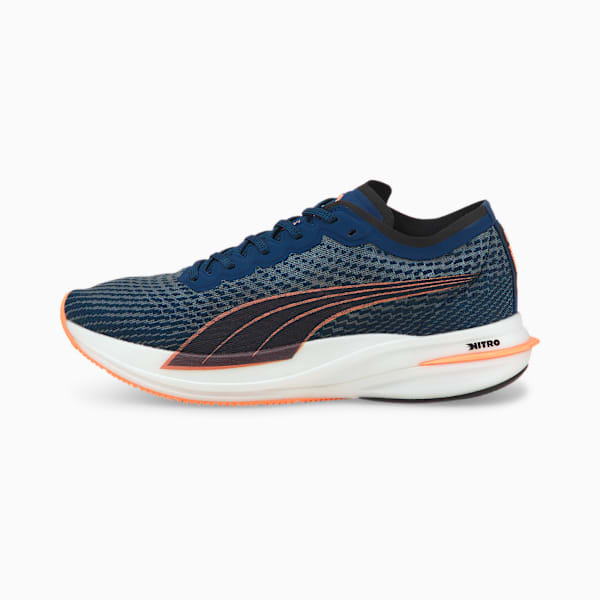
Race shoe (official Hyrox)
The first shoe built for Hyrox — runs fast without feeling wobbly at the stations.
Try: Puma Deviate Nitro
The kit we actually recommend for training and race day — what it's for, and whether you really need it.
This page contains affiliate links. If you buy something through a link here, we may earn a small commission at no extra cost to you. We only recommend gear that's actually relevant to Hyrox training.
One pair for the run and every station — grip matters most.
The first shoe built for Hyrox — runs fast without feeling wobbly at the stations.
Try: Puma Deviate Nitro
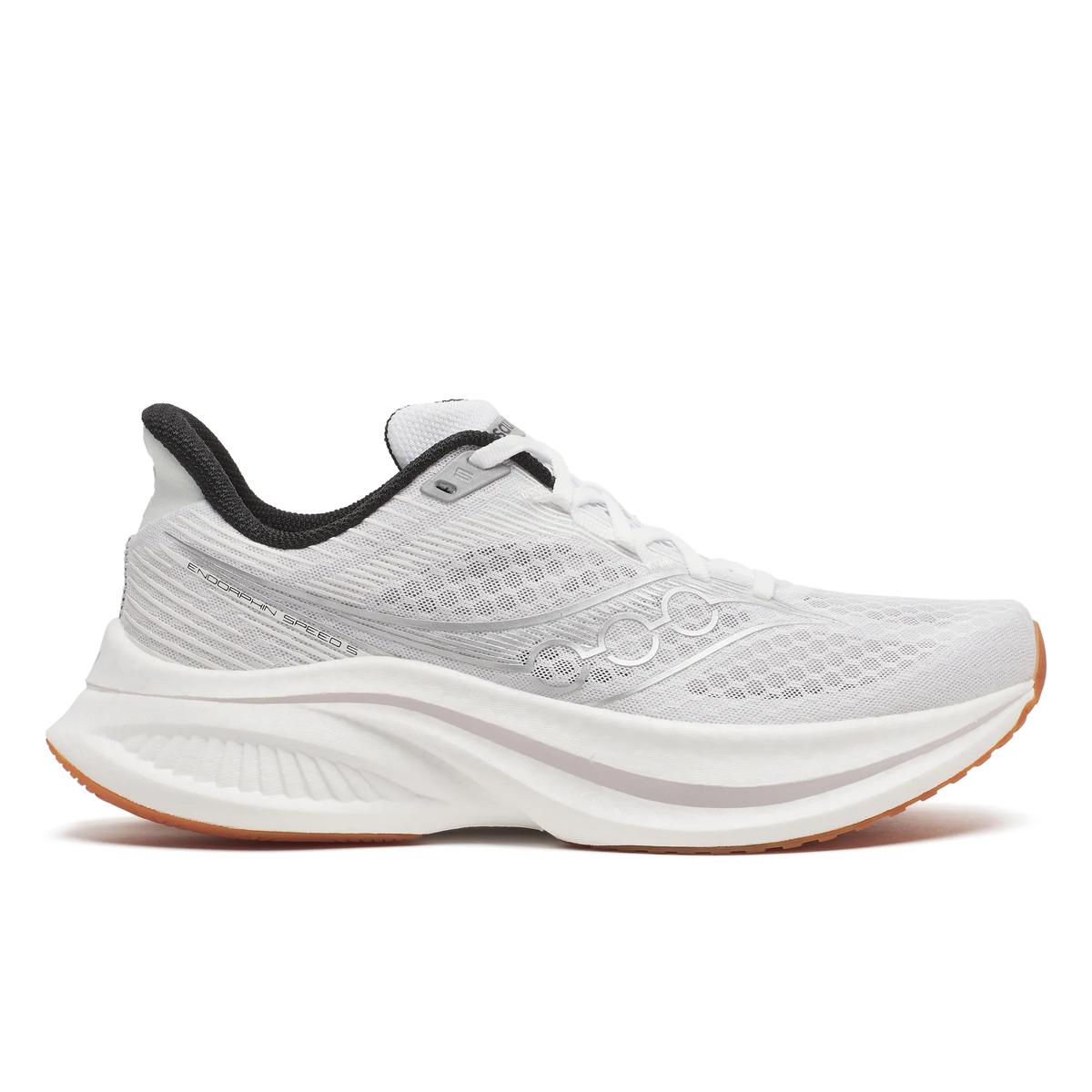
Springy plated trainer that makes the 8km of running feel quick — without the price or firmness of a carbon race shoe.
Try: Saucony Endorphin Speed 5
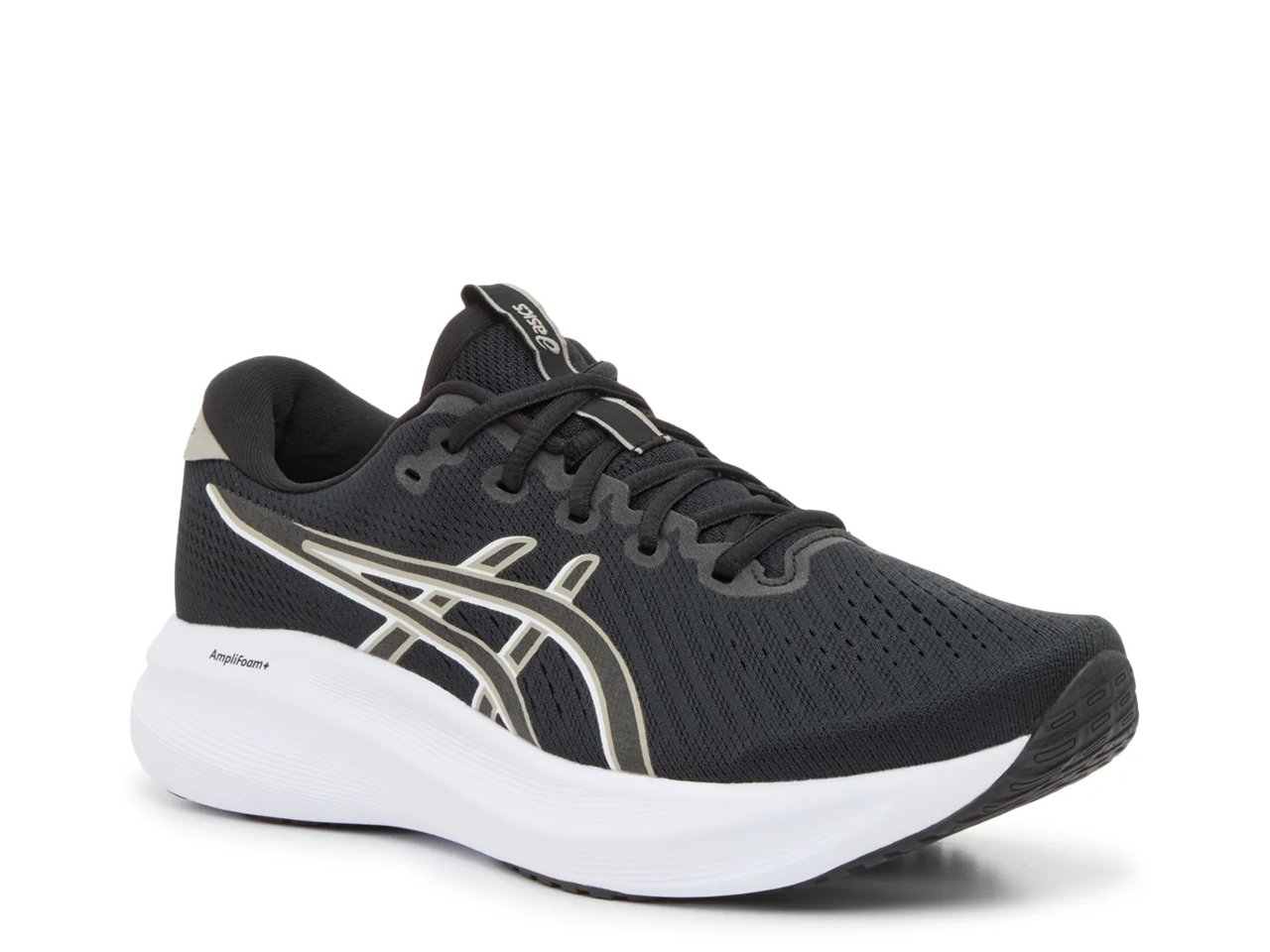
Bank your easy running miles in these so you're not burning through your race shoes in training.
Try: ASICS Gel-Excite 11
Chafe-free and mobile, ideally with a pocket for a gel.
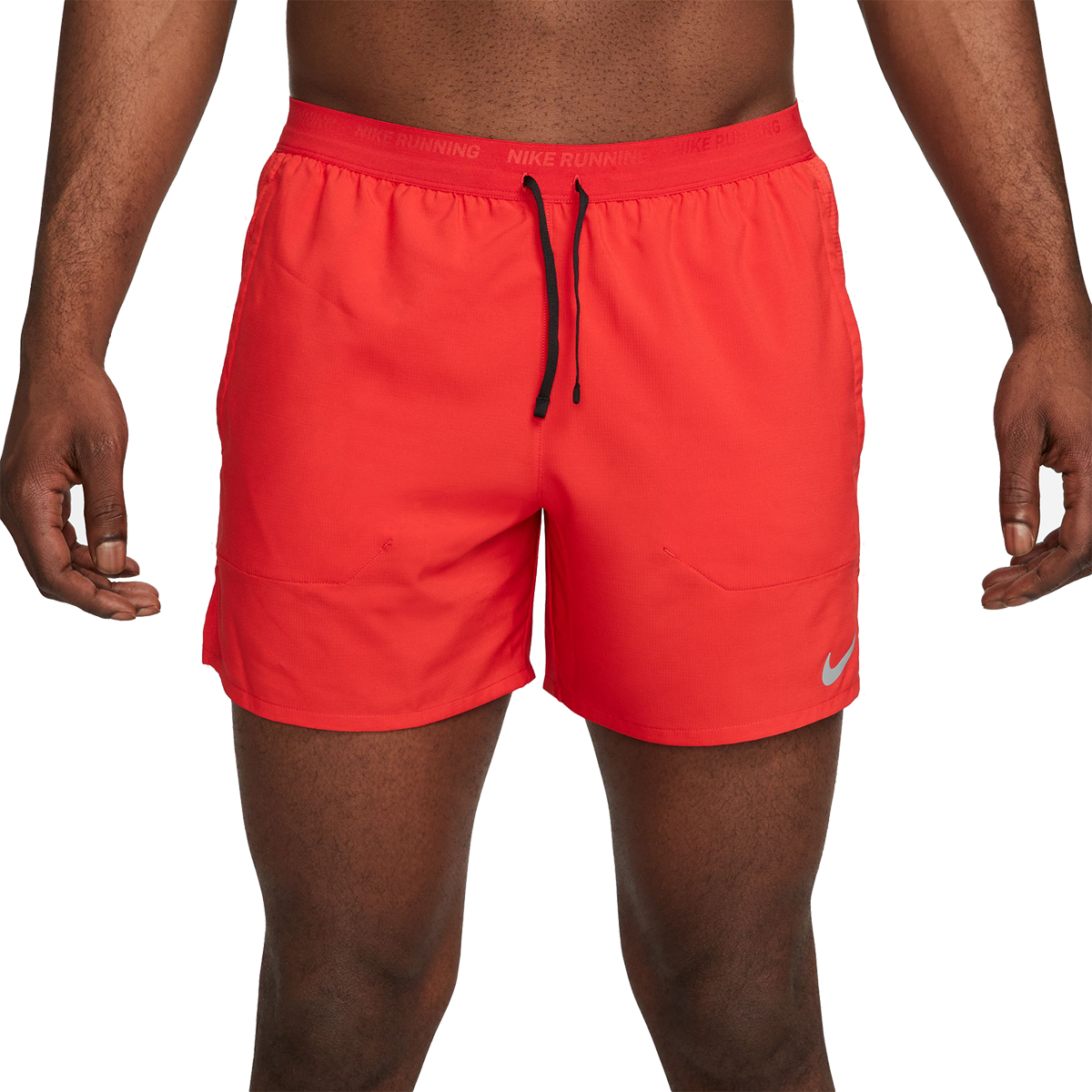
Light and unrestrictive for the 8km of running between stations.
Try: Nike Dri-FIT lined running short
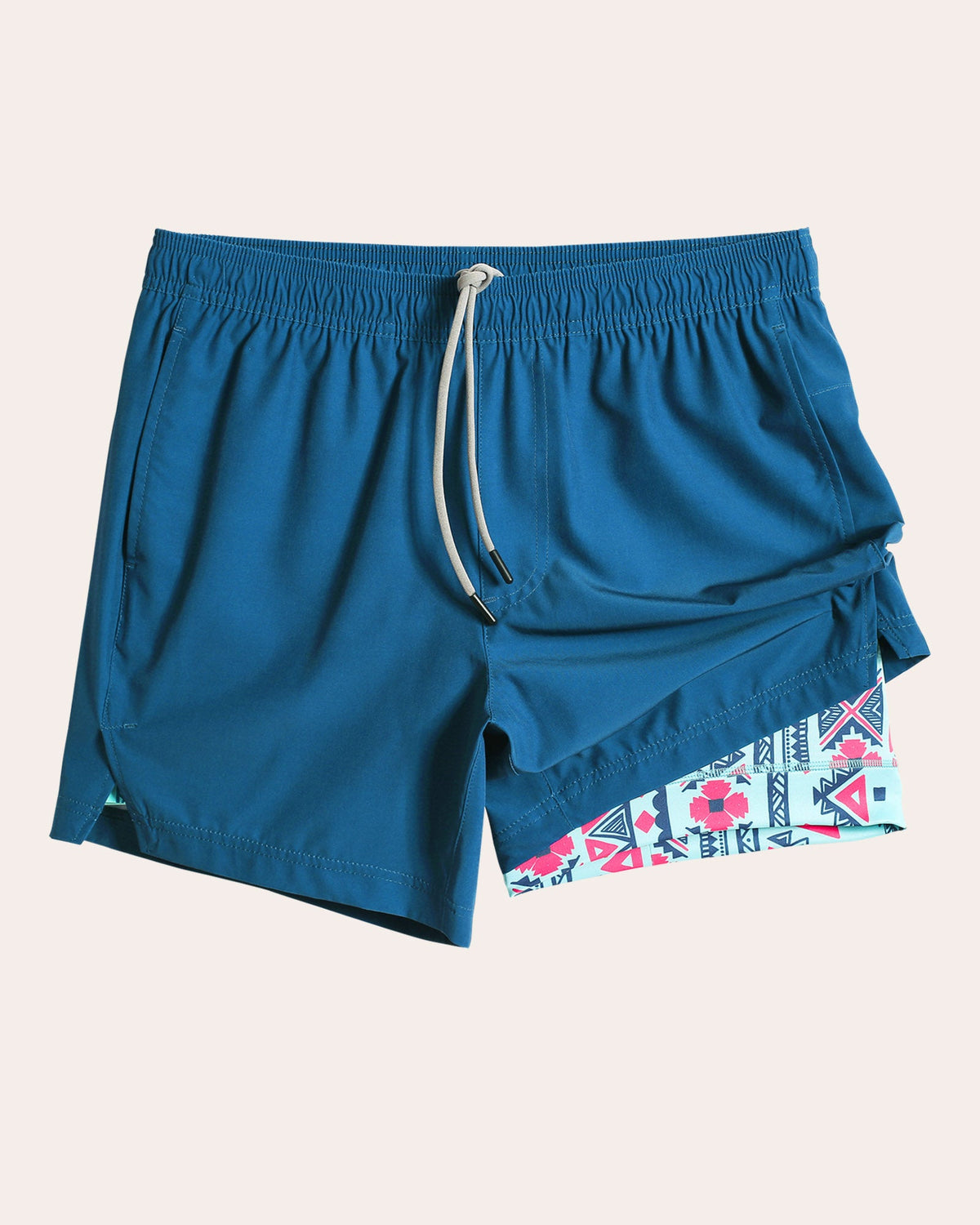
Lightweight liner plus a phone/gel pocket — chafe-free for the run intervals and easy to train in.
Try: Maamgic 2-in-1 running shorts
Fuel, hydration, and the evidence-backed basics.
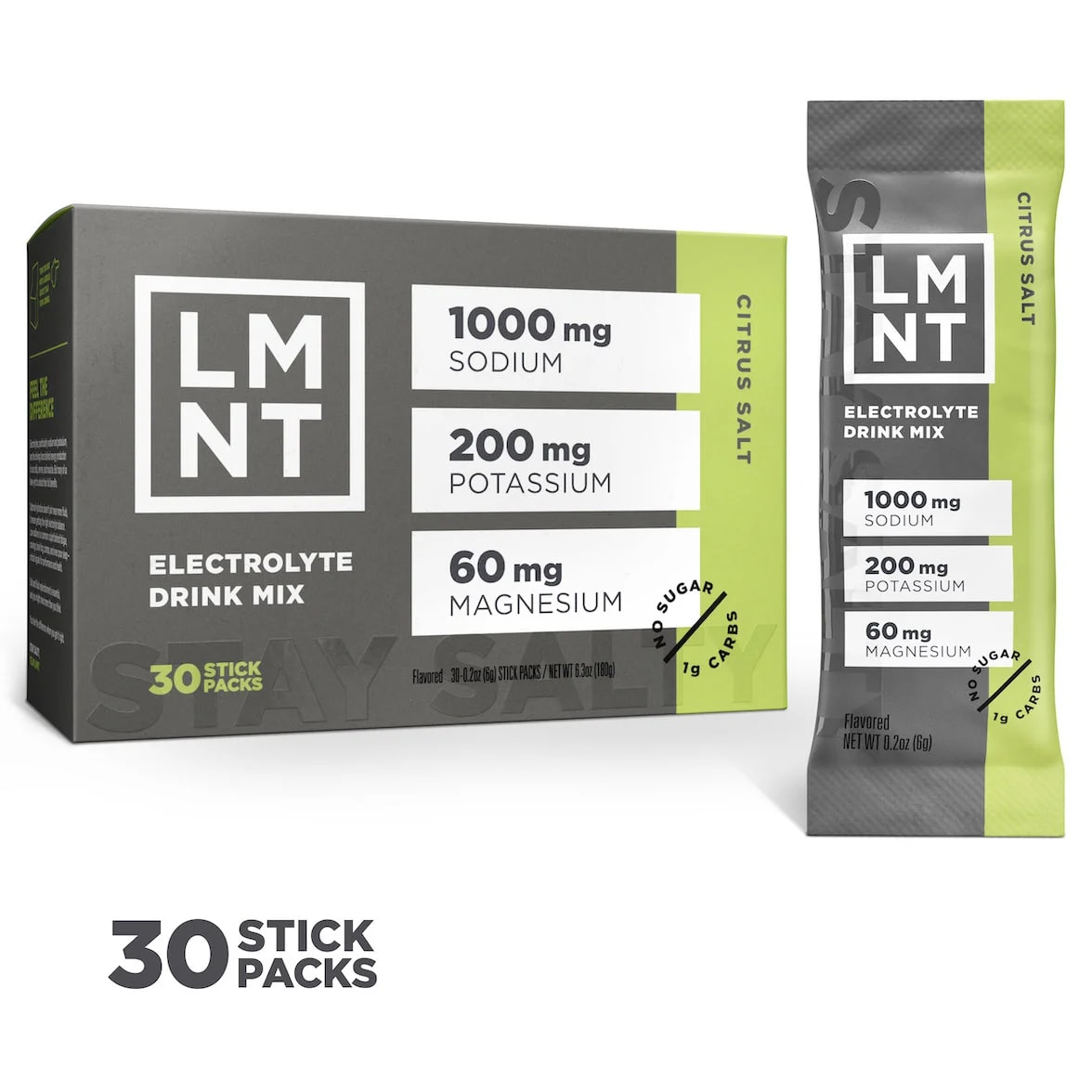
Pre-load sodium to prevent cramping in hot indoor venues.
Try: LMNT
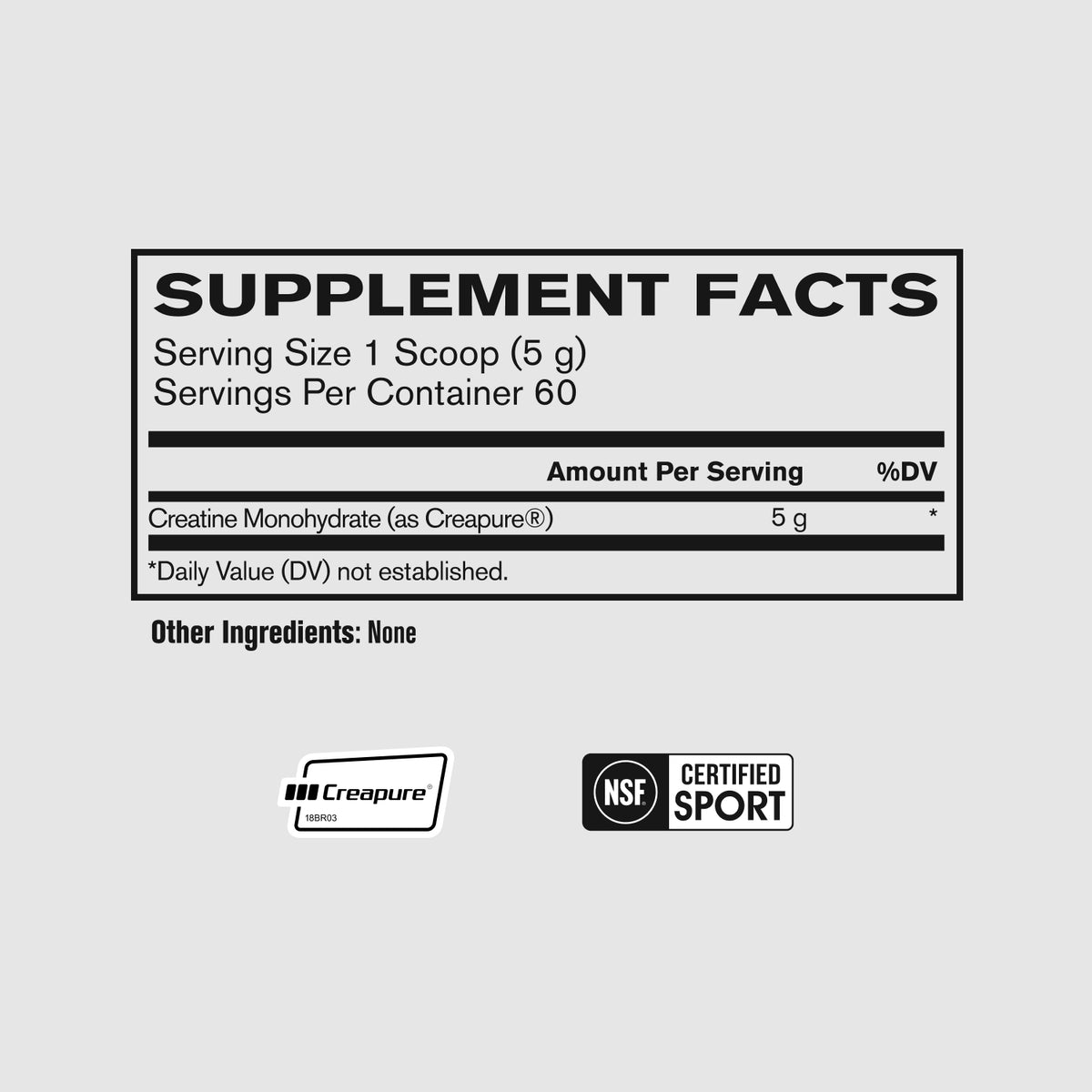
The single most evidence-backed supplement for strength-endurance.
Try: BPN Creatine Monohydrate (Creapure)
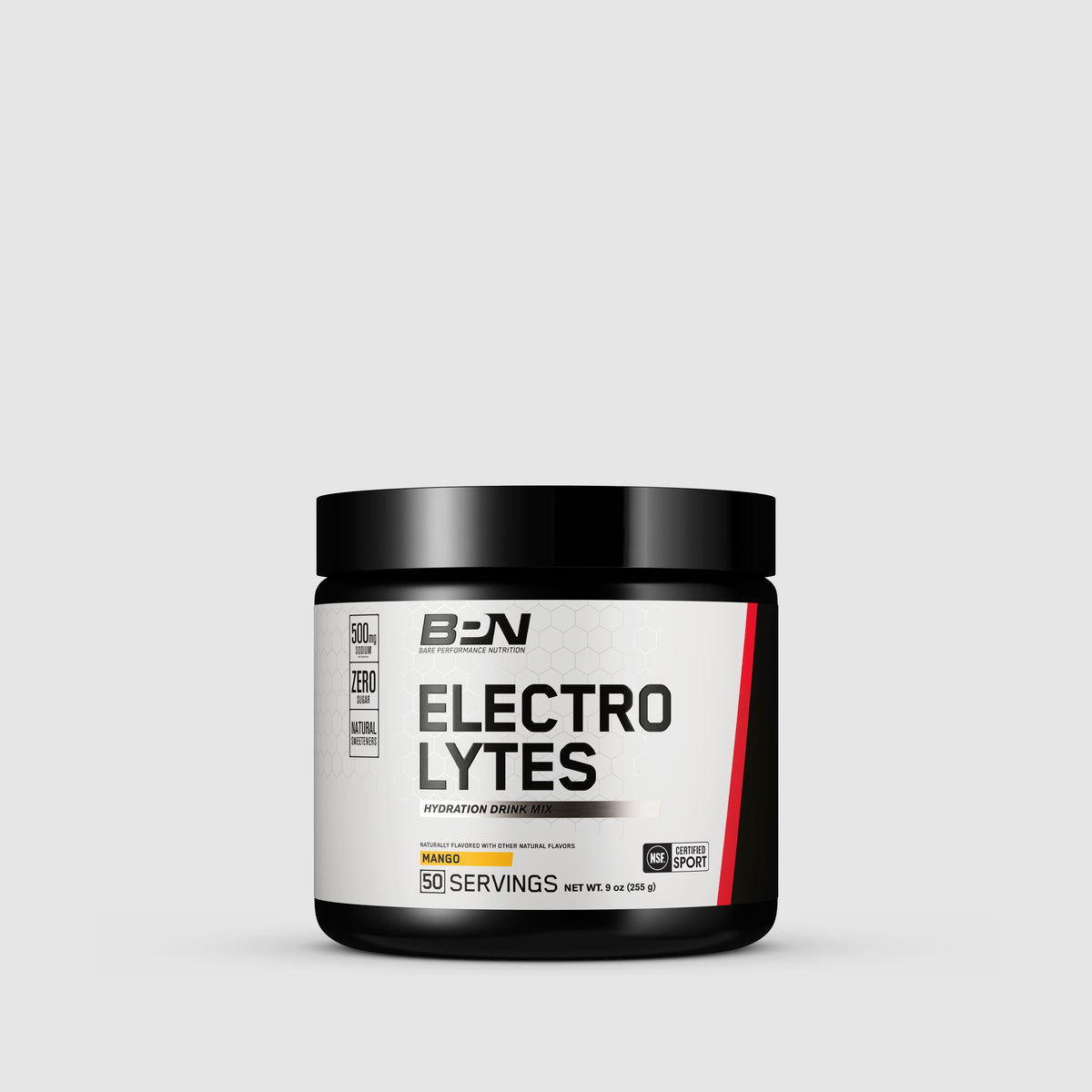
An endurance-formulated electrolyte mix for long sessions — sip through training to hold off cramps.
Try: BPN Endurance Electrolytes
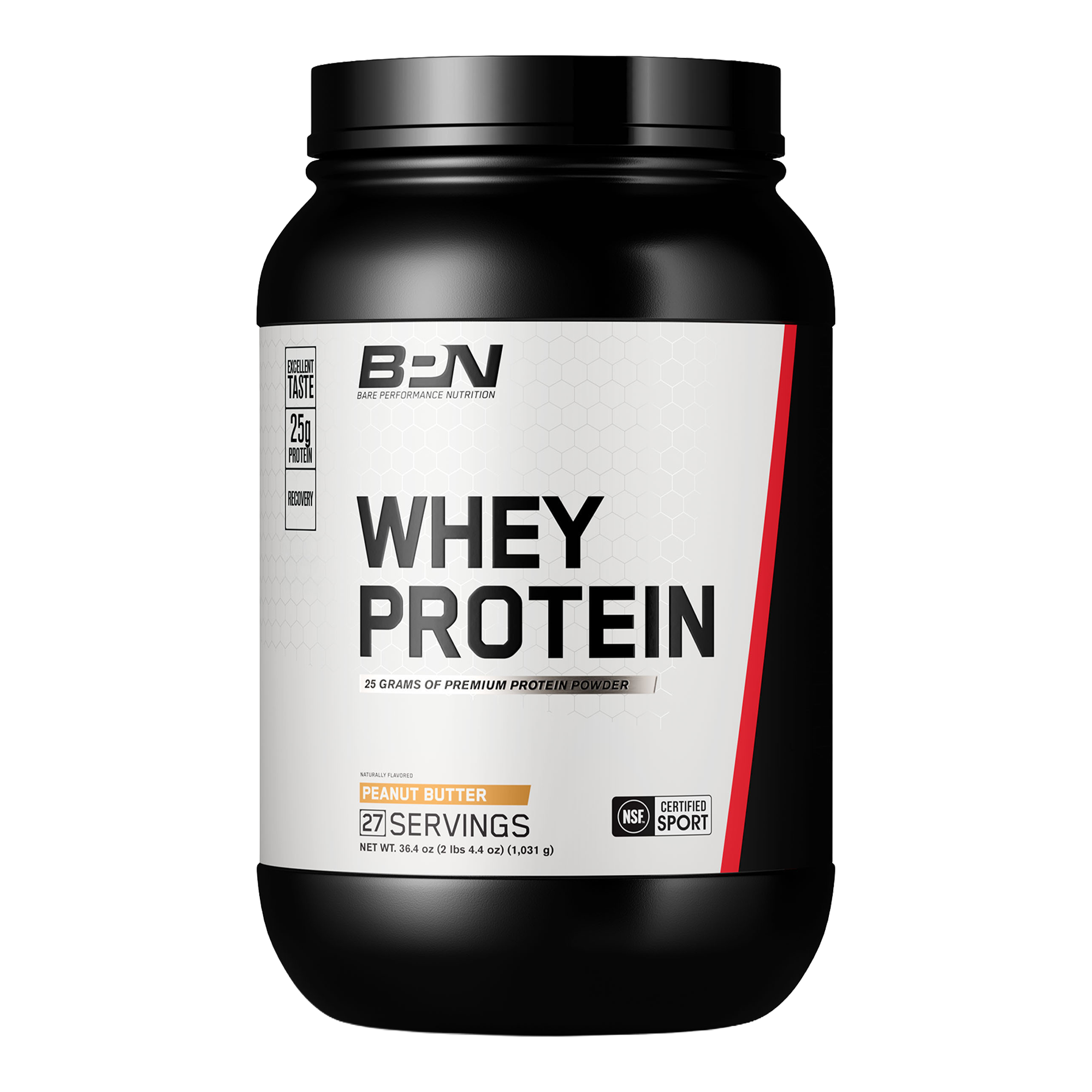
Hit your daily protein and recover between hard sessions.
Try: BPN Whey + Casein Protein
Simulate the eight stations at home or in the gym.
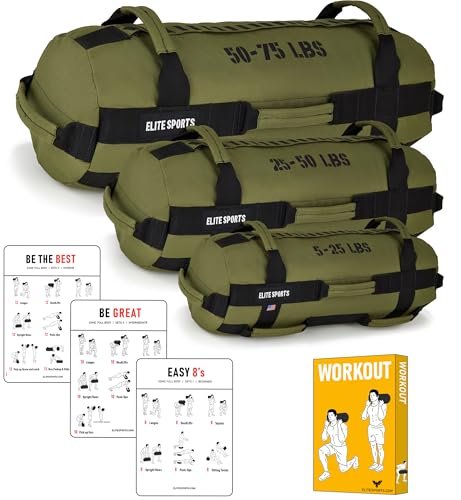
Trains the awkward, fatiguing sandbag lunges — the only real substitute.
Try: Elite Sports training sandbag (unfilled)
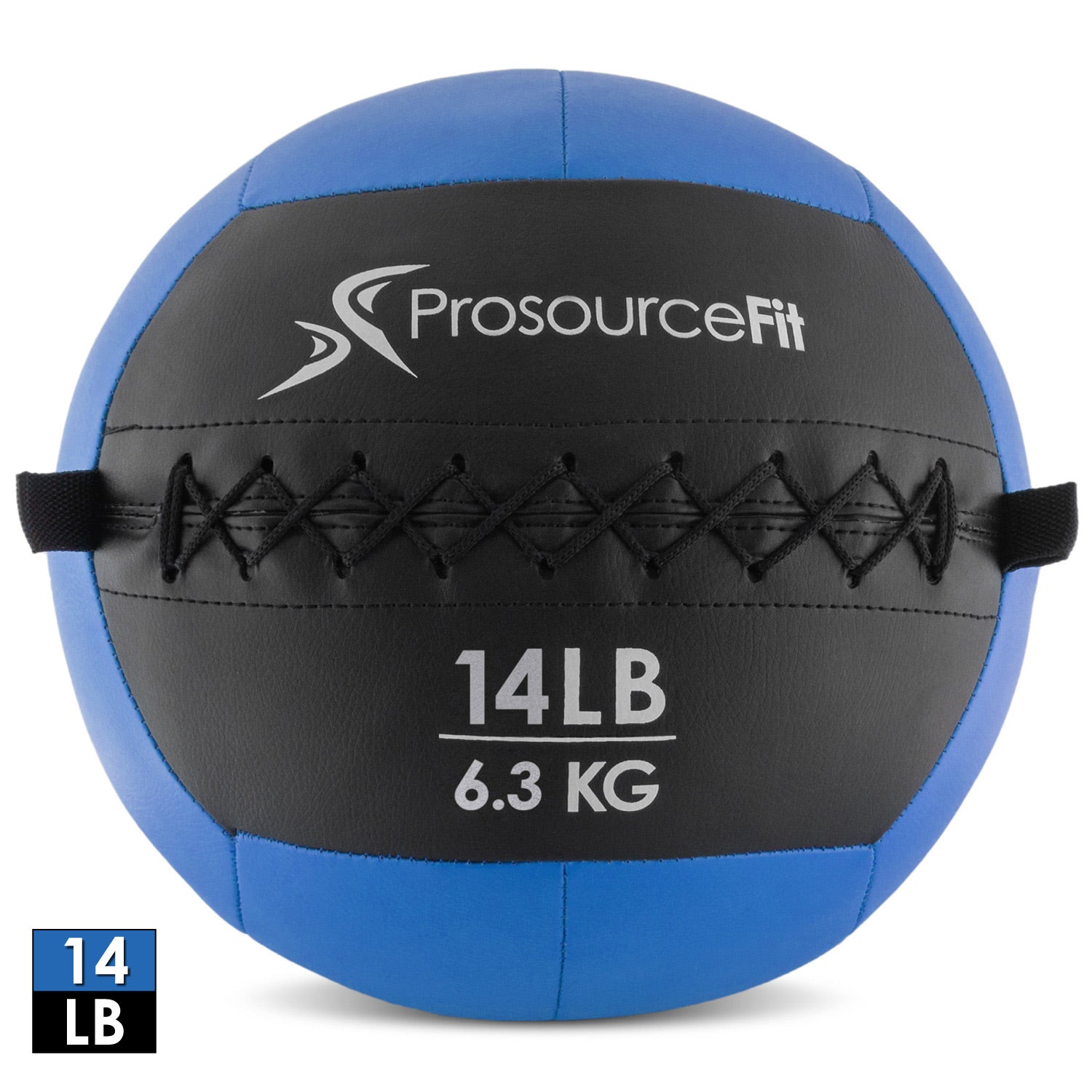
Practice 75–100 reps to a target; train at your race weight.
Try: ProSource wall / medicine ball
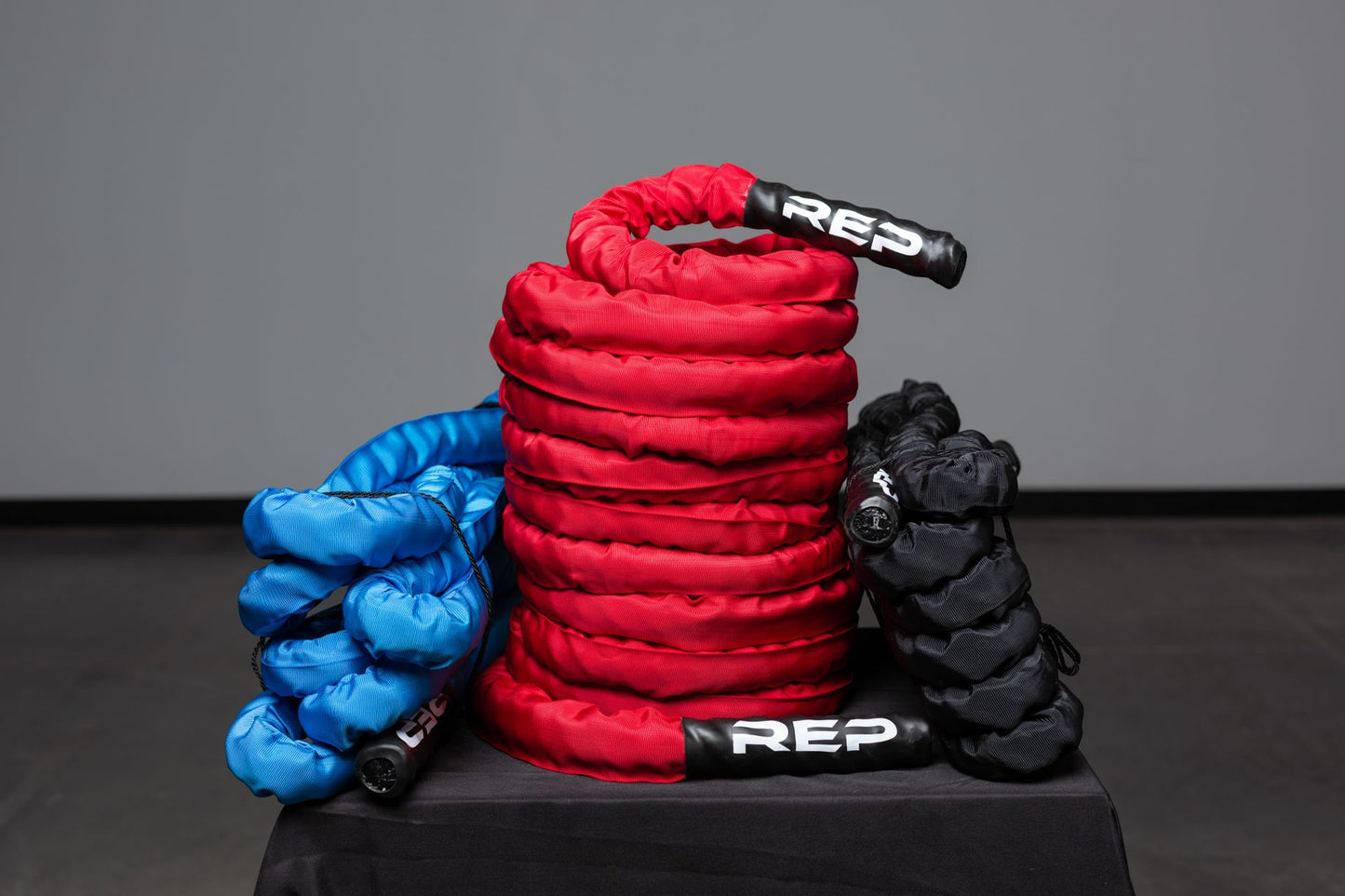
Grip and shoulder endurance that transfers straight to the sled pull and farmers carry late in the race.
Try: AmazonBasics battle rope
Small things that prevent blisters, bleeding shins, and lost grip.
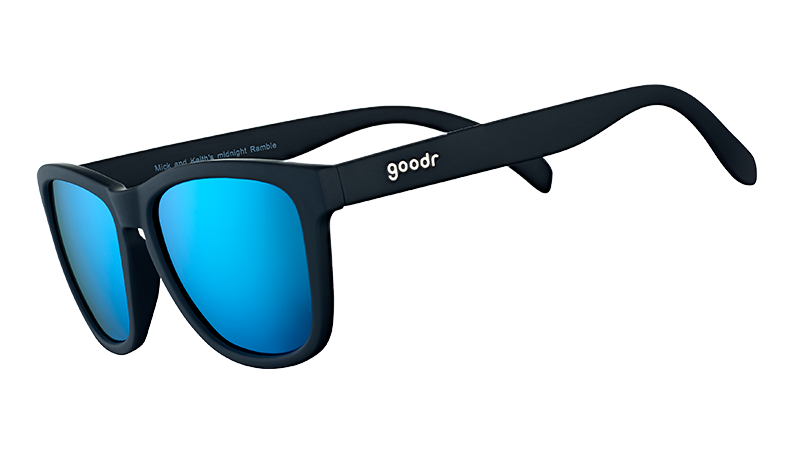
No-slip, no-bounce shades that stay put on sweaty outdoor runs.
Try: goodr running sunglasses
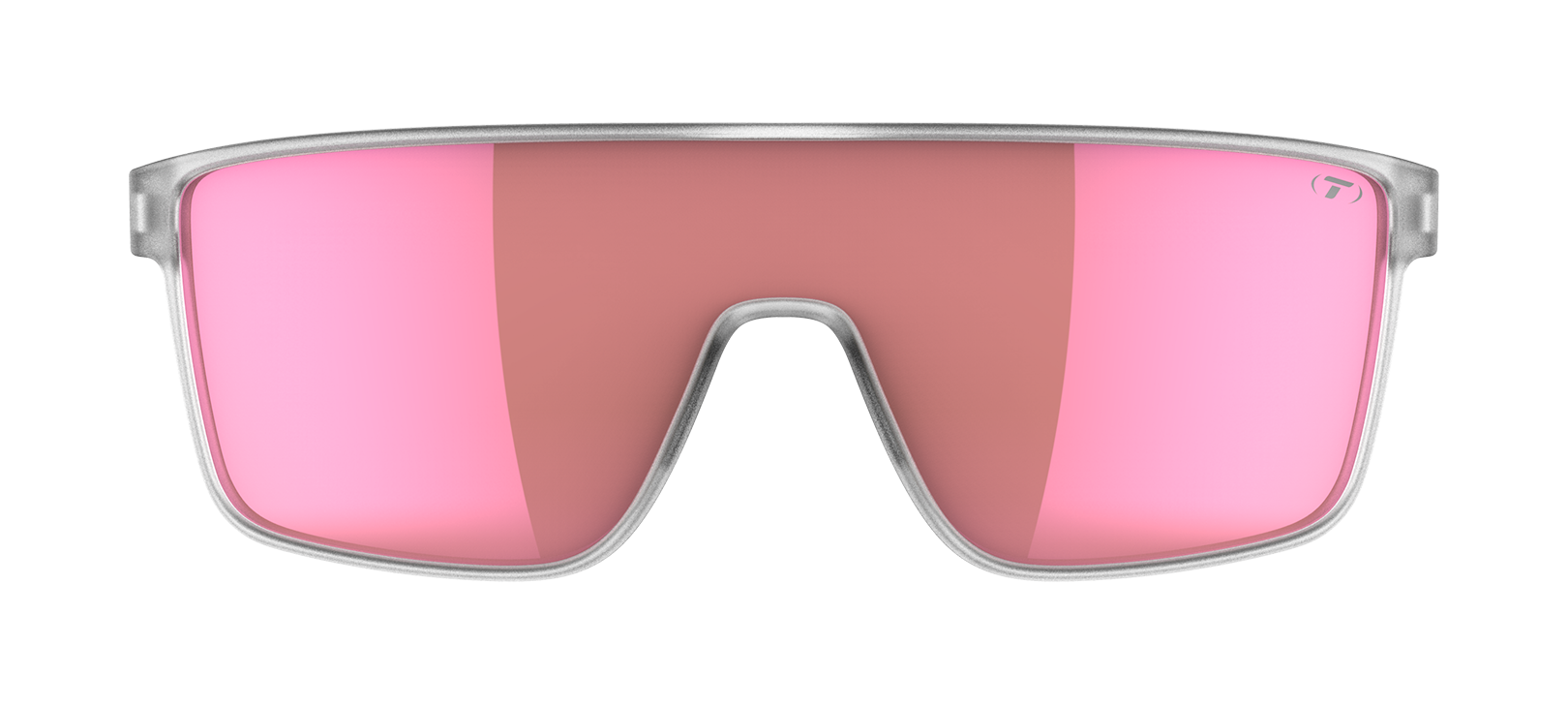
Lightweight vented sport frames that cut fog on hard outdoor efforts.
Try: Tifosi Sanctum
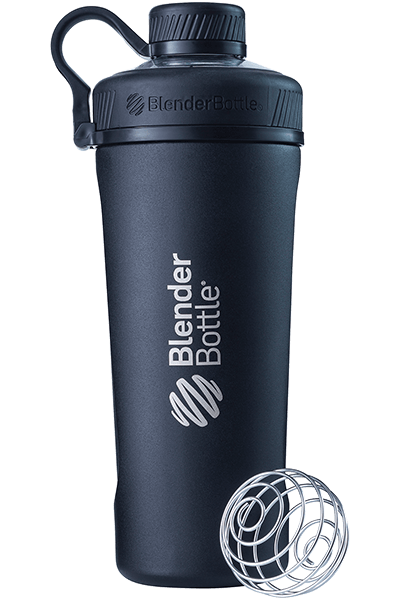
Mixes creatine, electrolytes, and protein without clumps — the daily workhorse for your supplement routine.
Try: BlenderBottle (insulated)
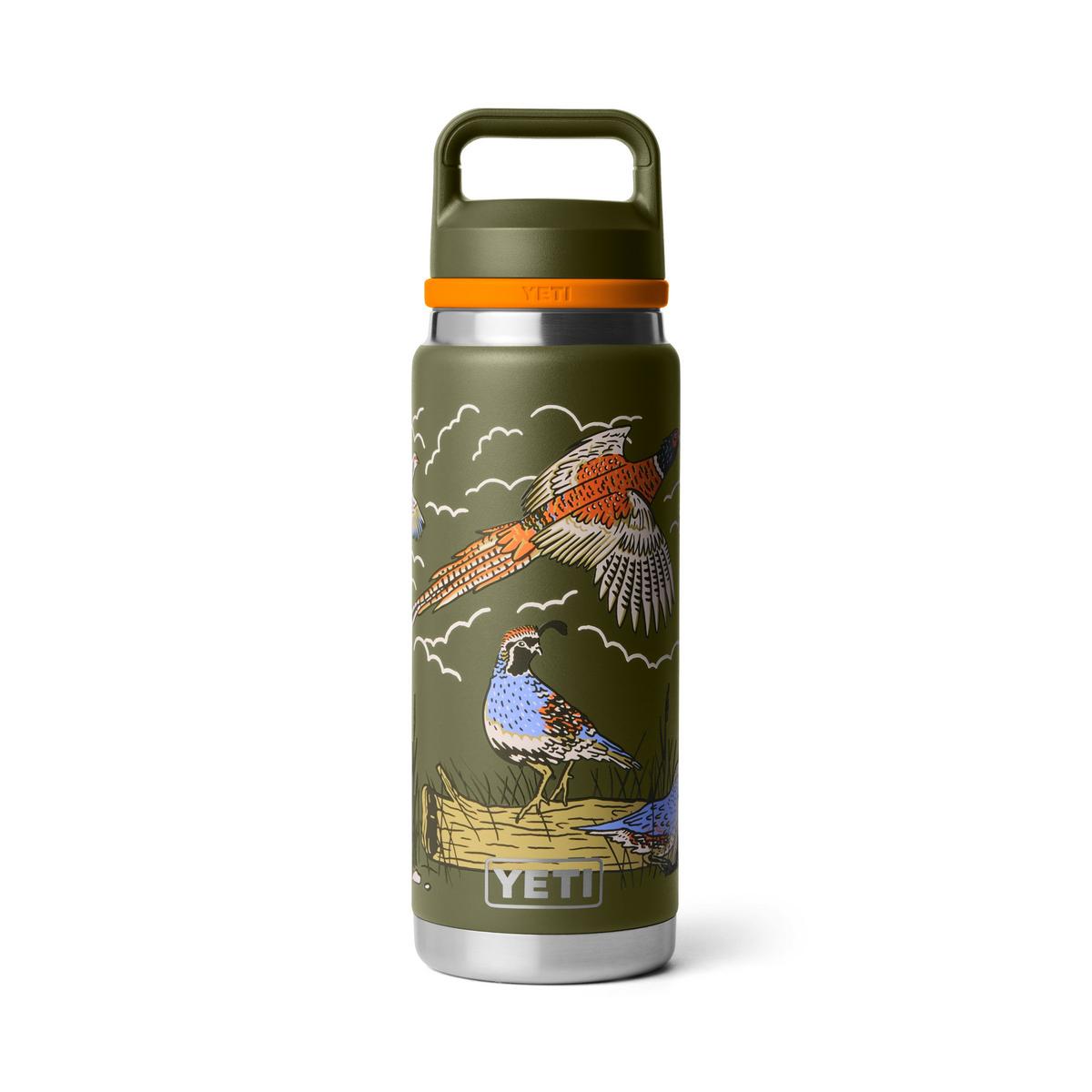
Keeps water cold through a full session in a hot indoor venue.
Try: YETI Rambler